Current Research Projects

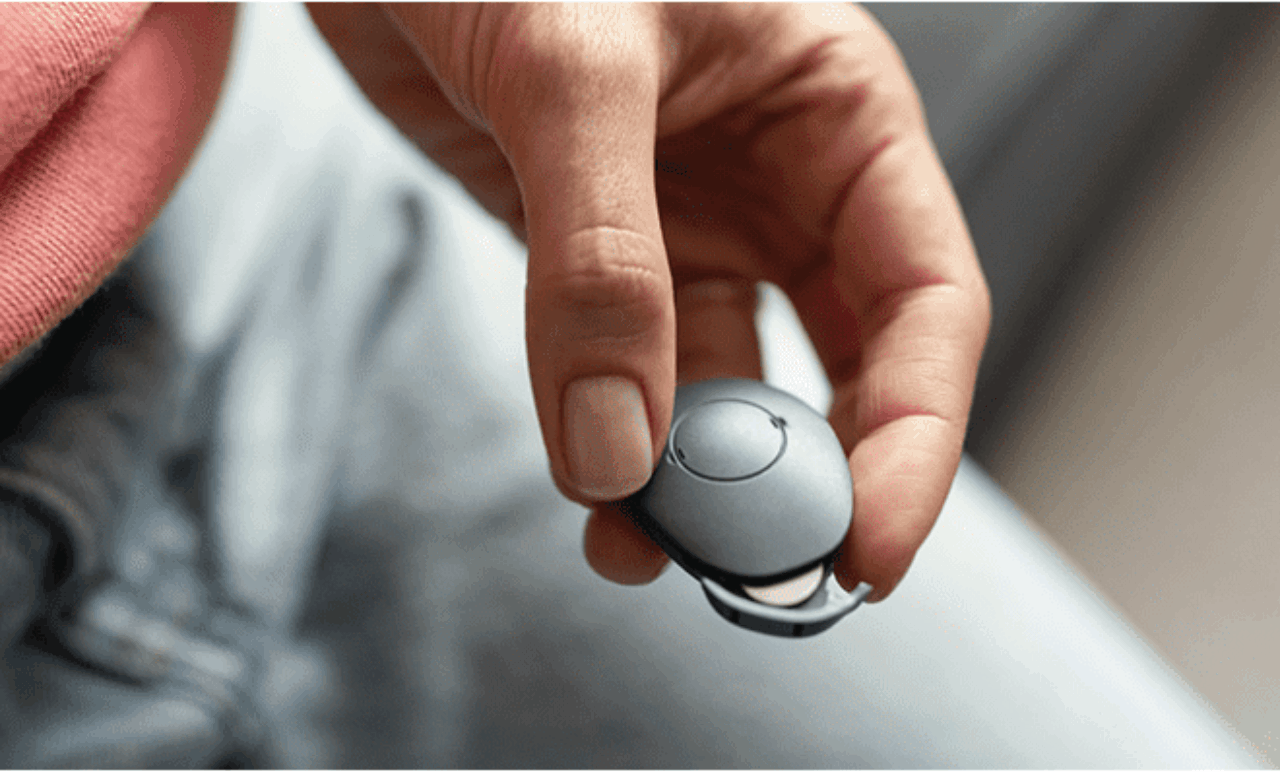
The demand for hearing care devices such as cochlear implants and hearing aids grows as the number of people with disabling hearing loss increases. Audiological and hearing assistance technologies are also converging with smart mobile and consumer audio devices in ‘hearables’ and auditory neurotechnology. We believe we are only at the start of the journey of devices to improve hearing. Ear Science partners with university, industry, and community to develop innovations in hearing devices to improve both diagnostics and treatment in hearing healthcare.
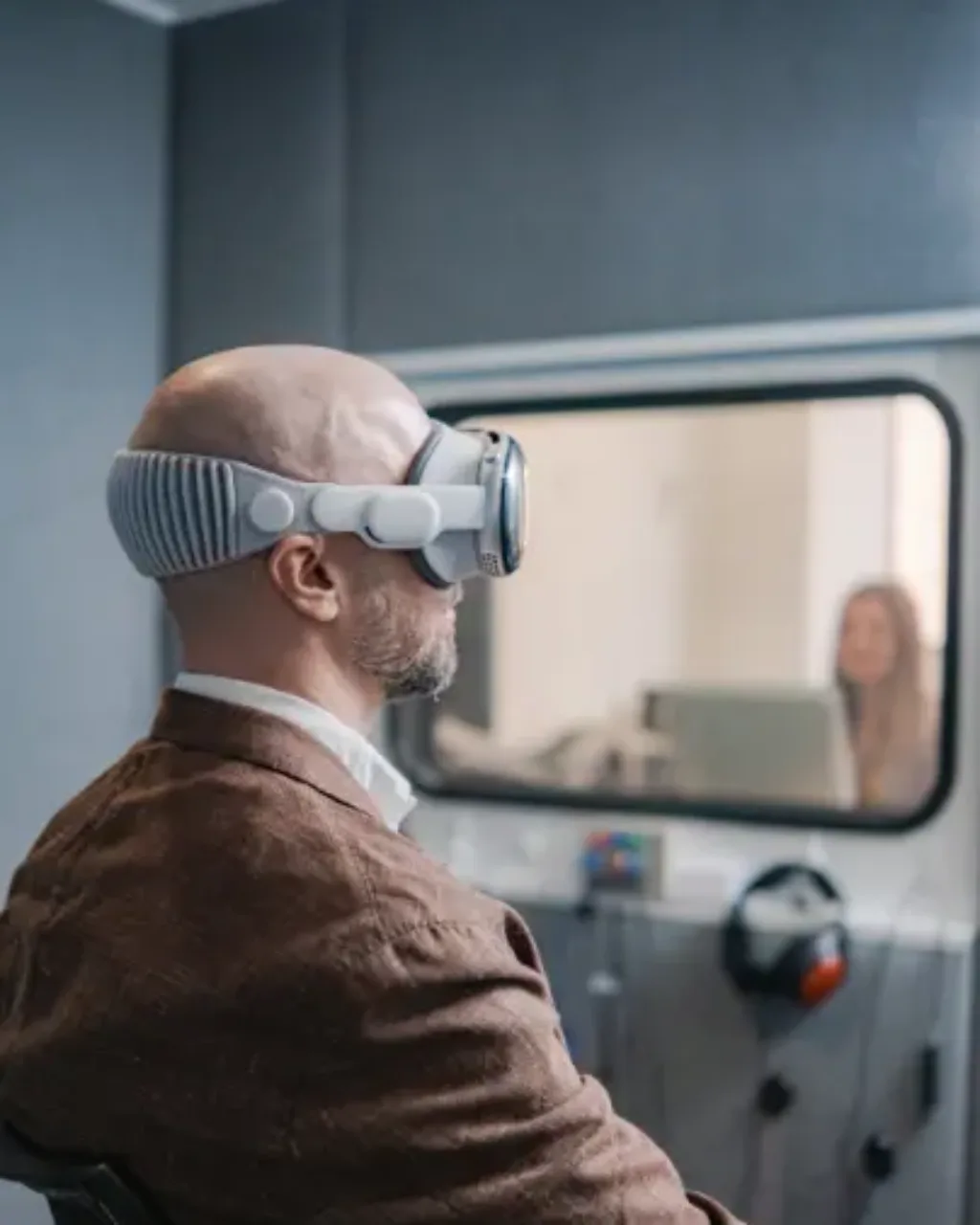
From advanced hearing tests to digital tools, the team is improving how hearing care is delivered and experienced in real-world settings. RealSound is a next-generation hearing test platform that uses virtual and augmented reality to simulate real-world listening environments. By recreating everyday soundscapes, such as busy streets, social settings, and home environments, it provides a more accurate understanding of how people hear beyond traditional clinical testing. This enables audiologists to deliver more personalised treatment and better outcomes for patients.
Current hearing outreach and uptake of hearing devices is poor. We are developing new hearing tests, devices and digital tools for monitoring and improving hearing care for those in remote Australia and overseas.
Standard clinical hearing tests rely on the measurement of pure tones presented via headphones, but this captures only a tiny aspect of the human auditory experience. Here, we are developing new, immersive tests using innovative technological approaches that are based on real world difficulties faced by those with large to small hearing impairments.
Current hearing tests and hearing aids do not localise and target the specific cells related to hearing loss in the inner ear. We are developing more precise device diagnostics and device treatments to address this.
Hidden hearing loss is a term for subjective hearing difficulties with clinically normal hearing thresholds. People may hear speech of their loved ones but mishear the details. At present, there is no valid diagnostic or treatment for hidden hearing loss. We are working to develop novel subjective and objective tests, devices, and treatments for hidden hearing loss.
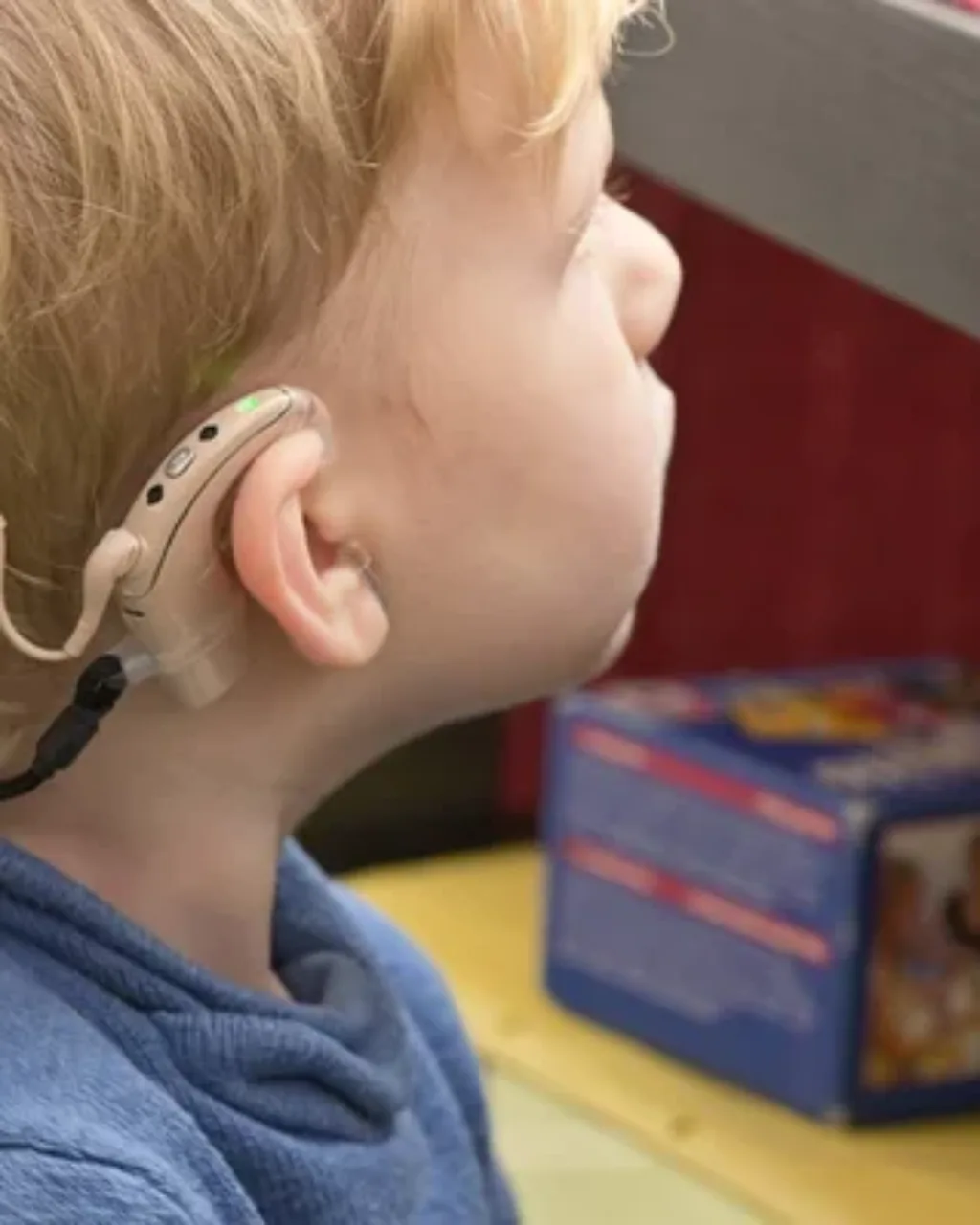
Cochlear implants are successful treatments for moderate to profound hearing loss. However, an improved understanding of how the body responds to implantation. We are developing advanced diagnostics that will lead to additional improvements in the delivery and post-operative care of implant recipients.
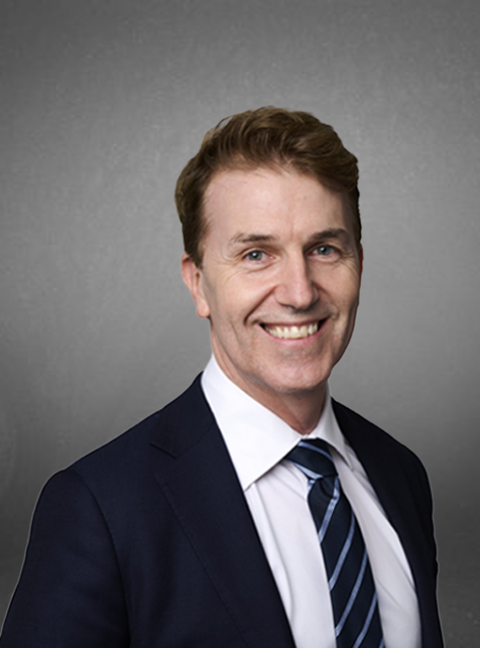
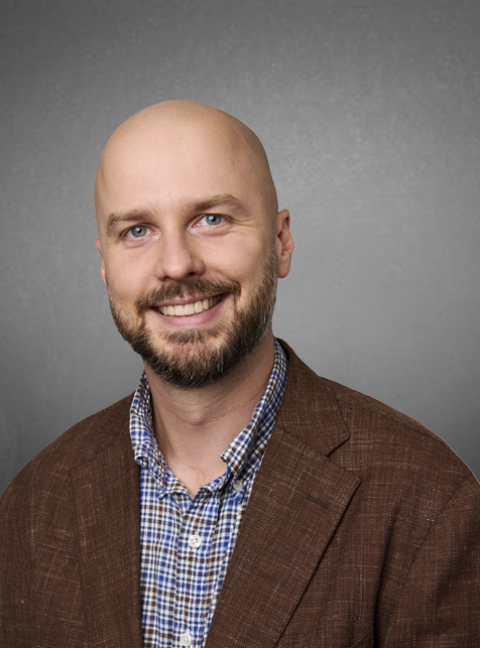
Ear-Science-Researcher-Dr-Christo-Bester

Our Focus Areas

Hearing Diagnostics

Advancing tools and technologies to better assess hearing in real-world environments.

Digital Health & Innovation

Developing digital platforms and immersive technologies to enhance hearing care delivery.

Implant & Device Development

Designing next-generation hearing devices and implant technologies.

Personalised Hearing Care

Using data and real-world insights to tailor treatment and improve patient outcomes.
Young-Boy-with-Cochlear-Implant-Hearing-Aid

Key Publications

Speech-in-noise performance in objectively determined cochlear implant maps, including the effect of cognitive state. PLoS ONE. 18(6): e0286986; 2023. doi.org/10.1371/journal.pone.0286986

Yiannos JM, Bester CW, Zhao C, Gell B, Jayakody DMP.

Auditory neuropathy in mice and humans with Friedreich ataxia. Ann Clin Transl Neurol. 10(6):953-963; 2023. doi:10.1002/acn3.51777

Rance G, Carew P, Winata L, Sale P, Delatycki M, Sly D.

In Almond H and Mather C (Eds.) Digital Health: A Transformational Approach. p177-202; 2023. NSW, Australia: Elsevier

Brice SB, Sly DJ, Tan SC. Chapter 8. Diagnostics underpinning digital health.
Researcher-Lab-2
Contact Our Team

Interested In Collaborating?

Complete the form below to contact our Research Team.

Fields marked with * are required.

"*" indicates required fields

Learn More

Explore Our Research

Explore our other research focus area in more detail, where our science continues to set best practices with a fully integrated model of clinical and research activities allowing us to translate our knowledge into tangible outcomes for our community and beyond.