hq720

What is a cochlear implant?

A cochlear implant is an electronic medical device that replaces the function of damaged hair cells in the cochlea.

While hearing aids amplify sound, a cochlear implant works differently, it bypasses the damaged parts of the inner ear and directly stimulates the auditory nerve. These signals are then interpreted by the brain as sound.

This approach can provide a stable, long-term hearing outcome for people with significant hearing loss.

How a cochlear implant works

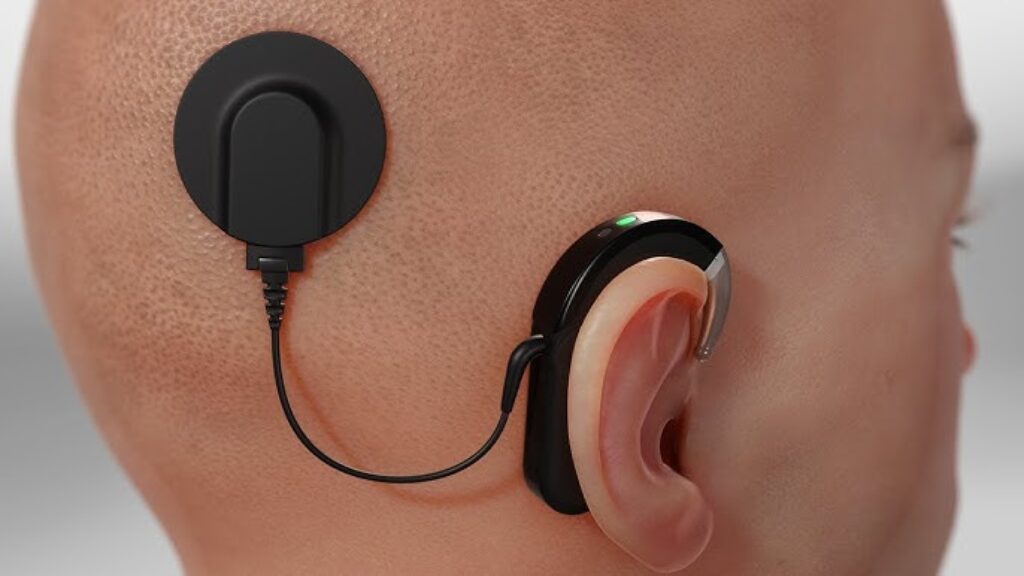
A cochlear implant consists of two main parts:

External sound processor

Captures and processes sound outside the ear

Worn off or behind the ear, the sound processor picks up sound through a microphone and converts it into digital signals ready to be sent to the implant.

Internal implant

Delivers sound signals directly to the auditory nerve

Surgically placed beneath the skin behind the ear, the implant receives signals from the processor and uses an electrode array to stimulate the auditory nerve.


Together, these components work as a system to deliver sound signals to the brain.
During a routine outpatient procedure, the internal component is implanted and connected to an electrode array within the cochlea.

The system includes several components working together:
1. Sound is picked up by a microphone in the external sound processor.
2. The processor converts the sound into digital signals.
3. The signals are sent from the external processor to the internal implant.
4. An electrode array in the cochlea stimulates the auditory nerve.
5. The brain interprets these signals as sound.


This process allows sound to bypass damaged parts of the inner ear and be delivered directly to the auditory nerve and may offer a stable, long-term hearing outcome.
Cochlear-Implant-Restaurant-Image

Benefits of cochlear implants

Cochlear implants can provide access to sound in a different way to hearing aids, particularly for people with significant hearing loss.

Benefits may include:

1. Access to sound beyond amplification

Cochlear implants work by directly stimulating the auditory nerve, allowing access to sound where hearing aids may no longer provide sufficient benefit.

2. Improved ability to understand speech

Many people experience clearer speech understanding in everyday listening situations, particularly in one-on-one conversations.

3. Greater awareness of environmental sounds

Improved awareness of surrounding sounds such as voices, alarms and environmental cues that support safety and independence.

4. Listening across a range of environments

Enhanced ability to follow sound in different listening situations, from quiet settings to more complex environments.
Outcomes vary for each individual, and your care team will guide you on what you can expect based on your hearing and circumstances.

Exploring your options

Cochlear implants are one of several treatment options for hearing loss. Understanding whether they are appropriate for you requires a comprehensive assessment of your hearing, communication needs and medical history.

If cochlear implants are not suitable, your clinician will guide you toward other options to support your hearing.
What's next?

Find out if a cochlear implant is right for you

Take the first step by booking an assessment. Our team will guide you through your hearing, explain your options, and help you understand the most appropriate pathway forward.

Hearing assessment

Book a comprehensive hearing assessment to understand your hearing and explore whether further implant evaluation may be appropriate.
Woodvale Boulevard

Speak to our team

Have questions about cochlear implants or the process? Our team can provide guidance and help you understand your options.
LionsHearingPalmyra_HR-17_EDITED

Find your nearest clinic